Decoding the hidden architecture of entrepreneurial ecosystems.
OSE in Africa is the first observatory dedicated to mapping, measuring, and analyzing entrepreneurial support ecosystems across Africa, MENA, GCC and emerging European regions. We study not only who the actors are, but how they connect, collaborate, create value, and shape entrepreneurial trajectories over time.
Make ecosystems visible, intelligible, actionable.
Governments, donors, sovereign funds, foundations and investors put considerable capital into entrepreneurship support. Without a precise, comparable map of who does what, with whom, and at what quality, that capital is allocated blind. OSE closes this intelligence gap — with measurement, not opinion.
Observe
A continuously re-qualified census of support organizations — 14 indicators, 5 layers (Technical, Cognitive, Relational, Symbolic, Psychological), 14 canonical boosts — exposed through the public API and OSE Expert.
Explain
A peer-reviewed theory of why some ecosystems convert support into ventures and others do not: COTEE at the top, the meta-organizational architecture beneath, gender and AEEI as cross-lenses.
Decide
Country diagnostics, benchmarks of up to 6 countries, reports and advisory mandates that tell decision-makers where to act — and where not to.
Orchestrating is not conducting the orchestra — it is tuning the hall.
Four properties no survey-based index can offer.
Measured, not declared
14 observed quality indicators per organization, re-qualified continuously. No self-reported questionnaire — the profile is built from what the organization actually does.
Longitudinal
10+ years of continuous observation. Founding cohorts, membership turnover and press panels (2014–2023) turn a snapshot into a trajectory.
Network-level
Who works with whom: Louvain communities, centrality, co-occurrence density. The unit of analysis is the ecosystem, not the isolated actor.
Continental, one framework
60,600+ support organizations across 150+ countries (Africa · MENA · Gulf · Europe) read with the same 5-layer, 14-boost grammar — comparable by construction.
Four advances that changed how we read an ecosystem.
Each one is computed live on the OSE database and exposed in OSE Expert. Together they form one hierarchy: COTEE at the top, the meta-organizational architecture beneath it, gender and AEEI as cross-lenses.
Cultivated Order Theory
Support apparatus only pays where rules are enforced: predicted business creation per 1,000 working-age adults rises from 1.3 to 6.4 for apparatus-builder countries once enforcement is in place. Replicated on 111 countries (WGI 2023 + World Bank outcomes).
Read the framework →Ecosystems as meta-organizations
Governance architecture, resource orchestration, institutional contingency. 93 of 115 countries (81%) have an architecture ahead of their substance; 31 sit in adaptive resilience, 26 in wasted redundancy.
Read the framework →Aligned Gender Index × ecosystems
Economic, social and representation dimensions from World Bank Gender Statistics, scored 0–100 for 53 African countries (mean 49, from 29 to 79) and crossed with women-focused support structures in the OSE registry (ρ ≈ +0.13).
Read more →AEEI · Stam's 10 elements
Stam & van de Ven's ten elements, 7 measured pillars from 20 indicators, 54 African countries covered and 30 ranked — integrated into OSE Expert country profiles, benchmarks and k-means tiers (~13 advanced, ~22 intermediate, ~19 emerging).
Read more →A decade of observation, then a theory.
OSE did not start from a model and look for data. It started from a census and let the structure of ecosystems emerge from ten years of observation.
- 1
2014 — The observatory is founded
The founding decision that still defines OSE: qualify every support organization on observed indicators, never on declarations.
- 2
2015 onwards — Continuous longitudinal observation
Year after year, the base grows to 5 layers and 14 canonical boosts across Africa, MENA, the Gulf and Europe. Founding cohorts and turnover become measurable.
- 3
2023 — Network science of ecosystems
Sticky ties (Guéneau et al., 2023): structural inter-organizational analysis becomes the unit of reading — communities, centrality, complementarities.
- 4
2025 — Three-scale analytical framework
Guéneau et al. (2025) formalise the three scales — organization, ecosystem, country — and every published measure is computed live on the OSE database.
- 5
2026 — Meta-organizations · COTEE · Gender · AEEI
The meta-organization paper is published in the Journal of Business Venturing Insights; COTEE (Seed · Soil · Gardener) is replicated on 111 countries; the Aligned Gender Index and the AEEI (Stam's 10 elements) are integrated into OSE Expert.
Three instruments, one database.
Every measure published in our papers is computed live on the same base your teams use.
OSE Expert
Decision intelligence: country diagnostic (profile · diagnostic · thematic · network · insights), benchmark of up to 6 countries, COTEE / meta-org / gender / AEEI lenses, CSV & PNG exports. Access tiers Free · Institutional · Premium · Research · VVIP.
OSE Connect
The interface between entrepreneurs and support structures: qualified search, applications, NDA, AI assistance — the venture-level data that will instrument the third level of the framework.
OSE Reports & Advisory
Country reports and applied-research mandates (Diagnosis · Roadmap · Impact) built on the COTEE orchestration cycle. Public API at api.ose.africa.
Multidisciplinary, technical, Africa-focused.
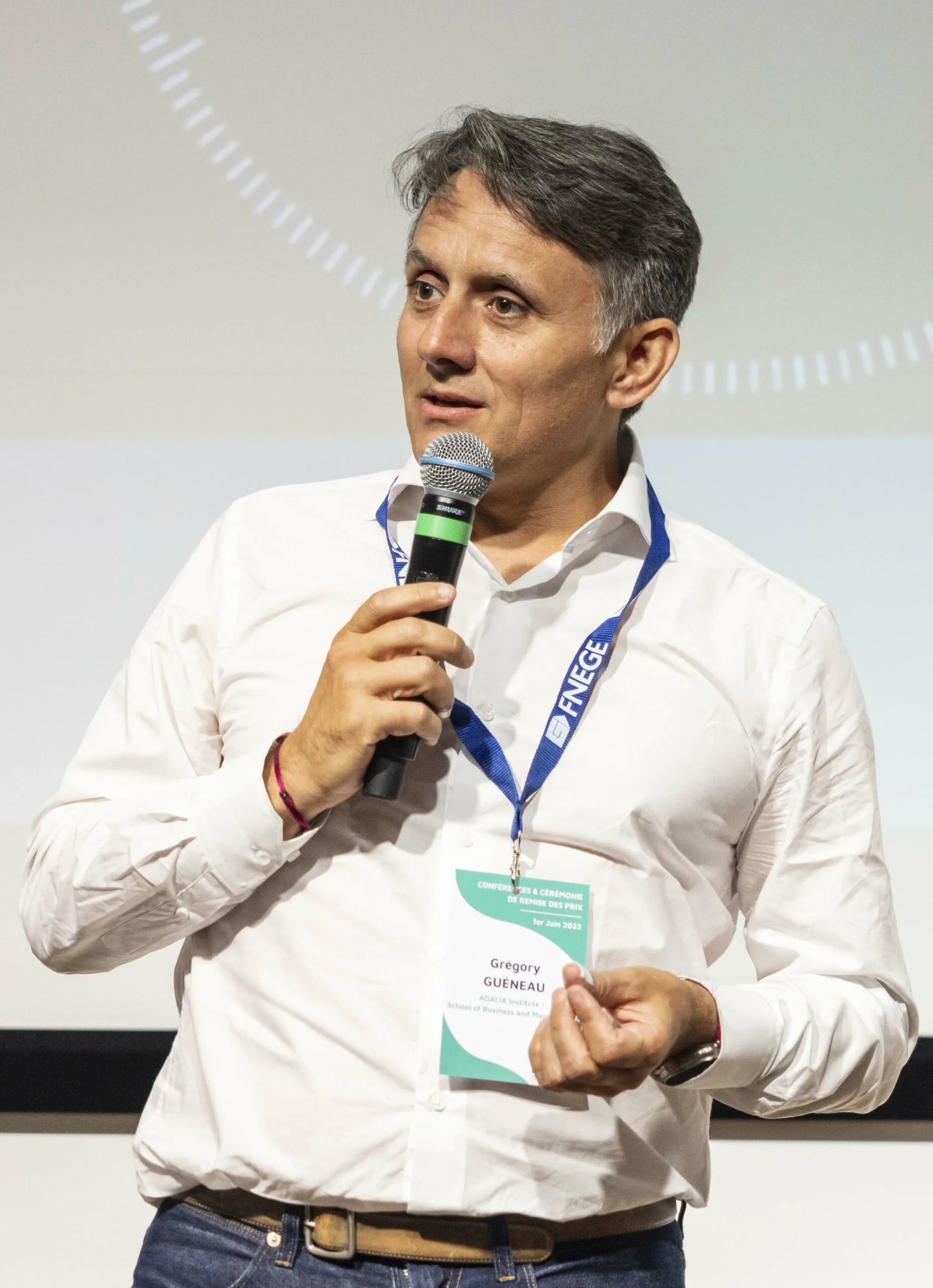
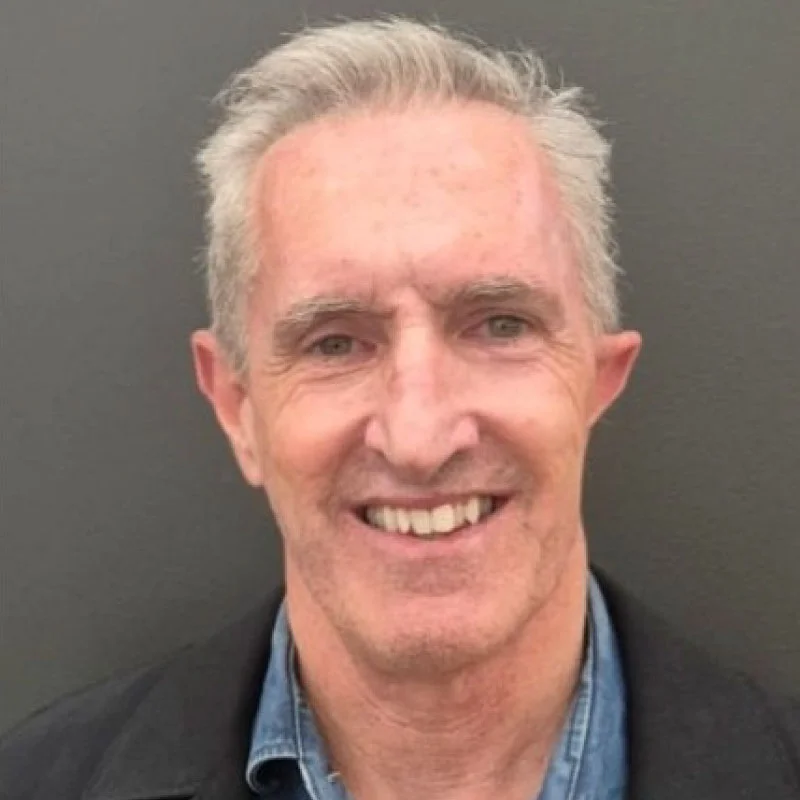
Gregory Guéneau, PhD
Scholar, entrepreneur and investor in impact entrepreneurship and education in Africa. Author of the OSE framework, COTEE and the meta-organization research programme.
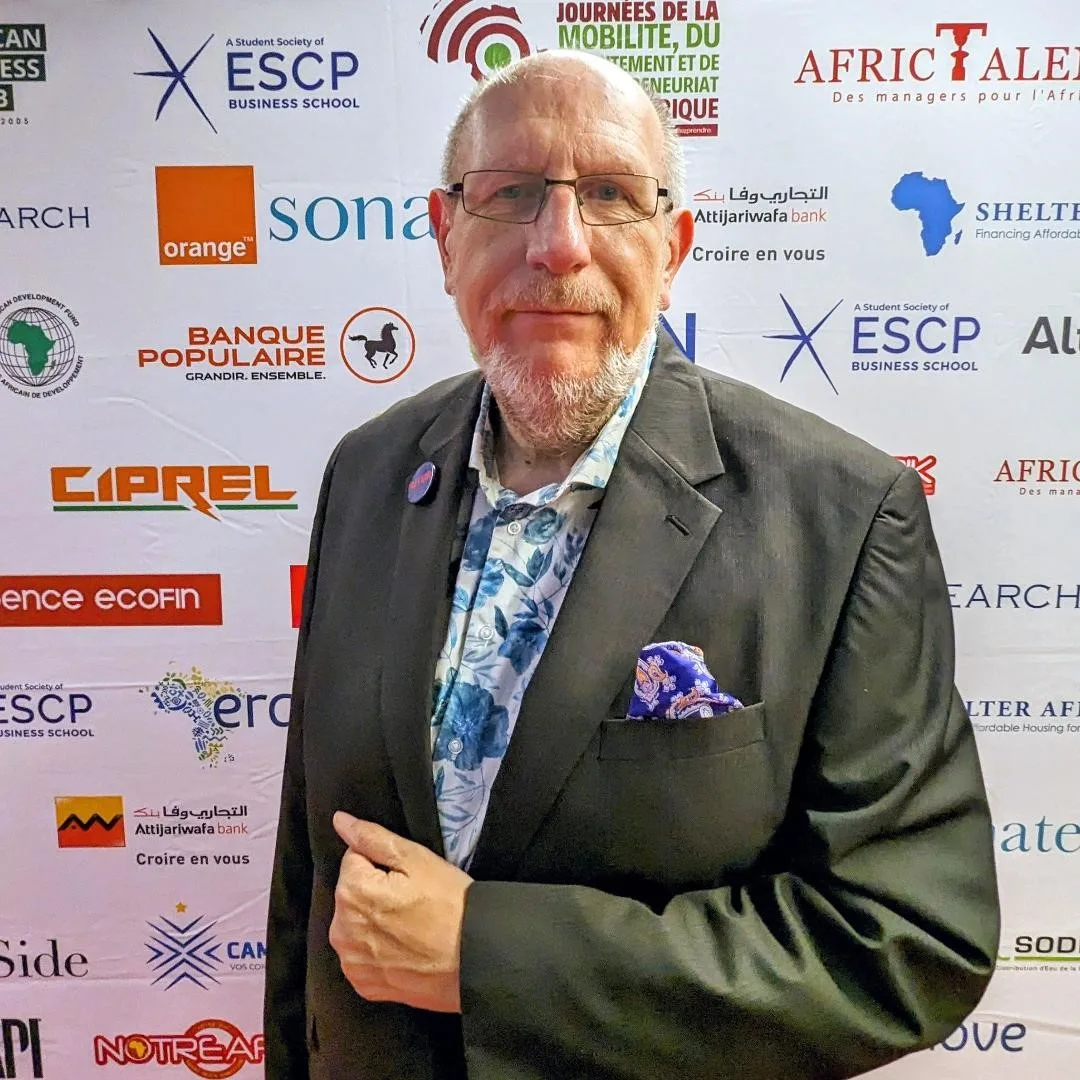
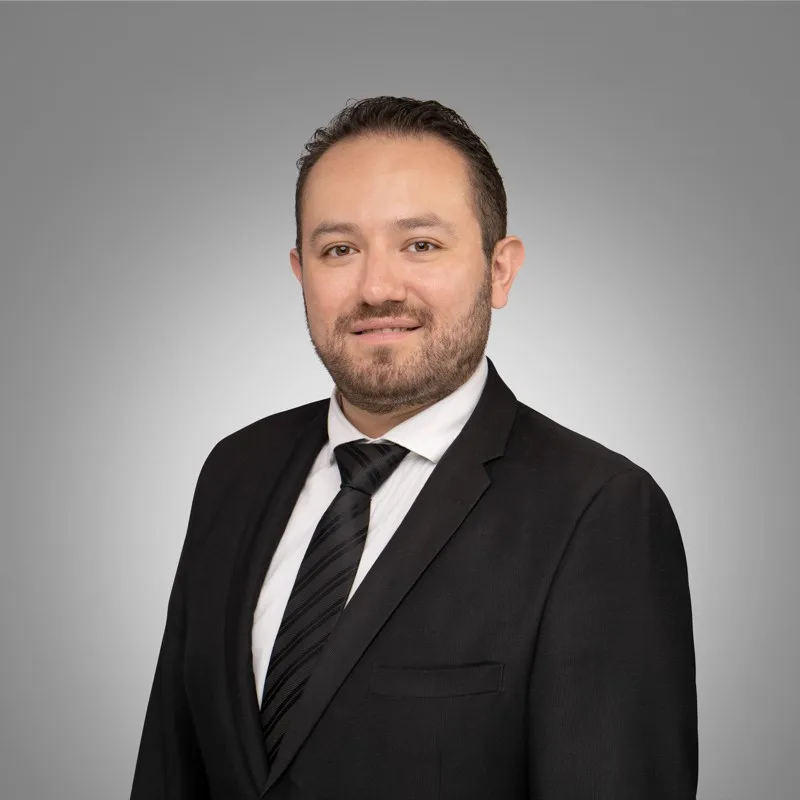
Eric Leguay
Technology and pedagogy expert for international institutions. Leads the engineering of OSE Expert, OSE Connect and the public API.
Scientific Council
The council reviews the methodology, the replications and every published measure. Its members are among the most cited scholars of entrepreneurship and ecosystem theory.
Advisory Board
Deans, entrepreneurs and scholars who keep the observatory close to the institutions and ecosystems it serves.
One mission, three levers.
OSE observes. ADALIA trains the people who design, fund and steer ecosystems. EERS advances the science with a scholar community. The same framework circulates from observation to practice and back.
OSE — Observe
The observatory: data, diagnostics, decision tools, applied research.
ADALIA — Train
Hybrid higher school: executive programmes and certifications on the OSE framework.
EERS — Advance
The research school: peer-reviewed evidence, calls for papers, scholar network.
The framework is published and reviewed (Journal of Business Venturing Insights, 2026); replications are documented against the original papers — see research.
Never sum the layers into a score (α = 0.001): an ecosystem is a profile. Read it conditionally on its enforcement regime, and never above the urban module.
EU hosting, GDPR by design, documented sub-processors — see the trust page.



Decide on measured ground.
Thirty minutes, no commitment: we walk you through the framework on a country of your choice and scope what would actually be useful to you.