Skip to content
OSE Galaxy
ENPaperResearch

Tracking the Entrepreneurial Ecosystem's Configuration Impact

Empirical analysis of the absence of empirical analysis of EE as a whole, focusing on African low-income countries.

By Guéneau · Chabaud · Chalus-Sauvannet

OSENews & Research
Share LinkedIn Post Email

Entrepreneurial Ecosystem (EE) research raised as a hot topic (Velt et al., 2020), leading to progresses on its elements (Stam and van de Ven, 2019), network (Albourini et al., 2020), actors (Purbasari et al., 2020) or levels of analysis (Theodoraki and Messeghem, 2017).

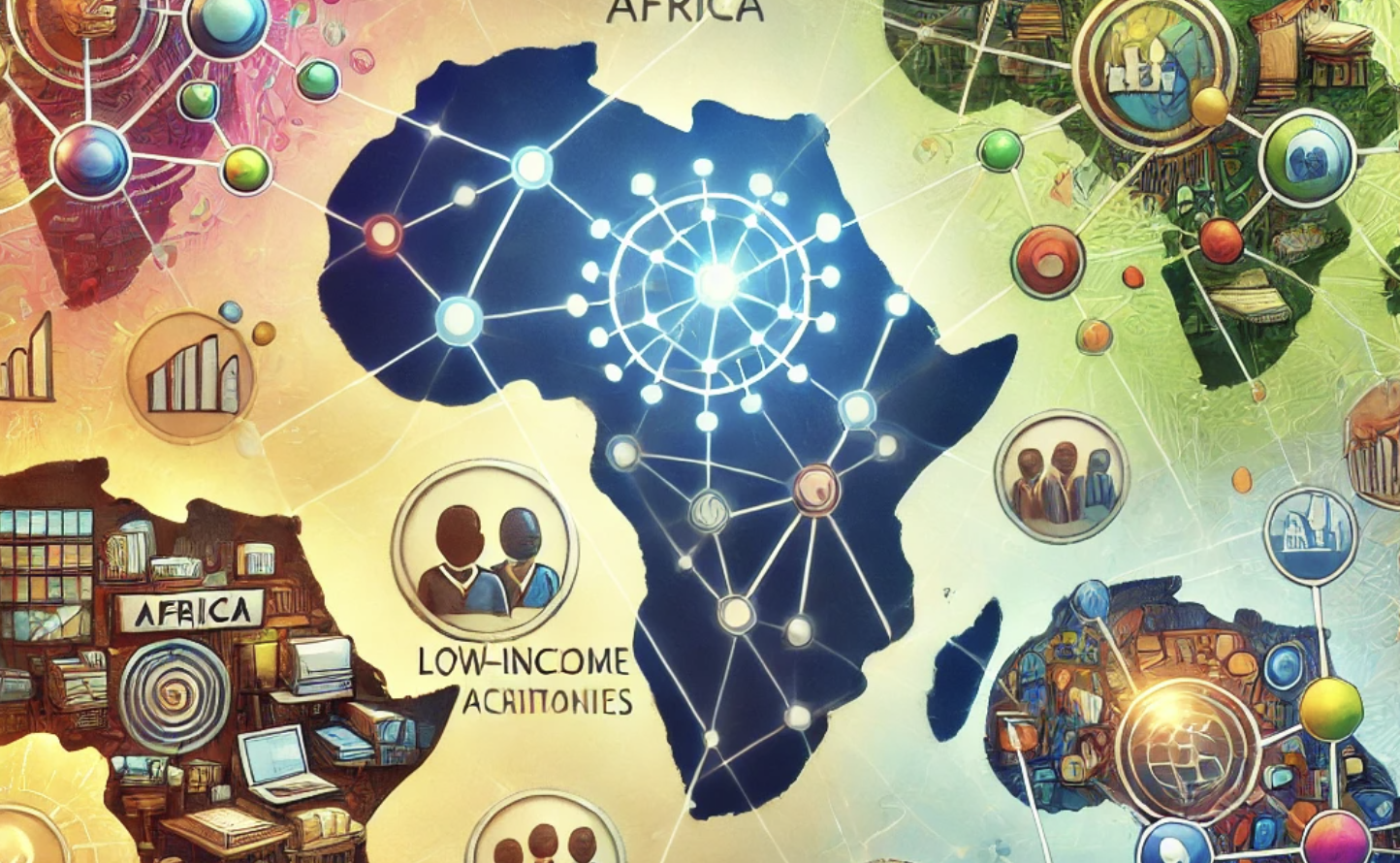
However, some scholars regret the absence of empirical analysis of EE as a whole. We track configuration impact in African low-income countries.

This article was first published on ose.africa (legacy site).
Share LinkedIn Post Email
Updated 9 May 2026
Next step

Read your country the same way.

Every figure in this article is recomputed on the live base. Thirty minutes to apply the framework to a country of your choice.

The OSE Briefing

One email a month. The signals that matter.

Curated insights from our 117 ecosystems — new country reports, ranking shifts, methodology notes. No fluff, no spam, unsubscribe in 1 click.

By subscribing you agree to our privacy policy. We never share your data.

2 100+ readers14 ministries subscribed38 universities
The OSE Galaxy

One mission, three levers: build the science and practice of entrepreneurial ecosystems in Africa.

  1. Observewhat makes ecosystems work— OSE
  2. Trainthe builders who construct them— ADALIA
  3. Advancethe science that illuminates them— EERS